This blog was sponsored by Your Family Nutritionist as part of our Virtual Goody Bag.
Starting solids and allergy concerns
For many parents, introducing solid foods is an exciting milestone, but it can also bring worries about food allergies. News stories about severe reactions can make it feel frightening to offer certain foods to your baby for the first time. However, understanding how allergies work and how common they actually are can help parents approach weaning with confidence.
When babies begin eating solid foods, parents often hear about food allergies and food intolerances, but the two are very different. A food allergy happens when the immune system mistakenly identifies a food protein as harmful and triggers an immune response. Even very small amounts of the food can cause symptoms, and reactions often happen quickly after eating, sometimes within minutes.
A food intolerance does not involve the immune system. Instead, it usually occurs when the body has difficulty digesting a food or ingredient. Symptoms are typically related to the digestive system and may appear several hours after eating the food.
Although concerns about allergies are common among parents, the reassuring news is that most babies tolerate new foods very well.

How common are food allergies in the UK?
Research from the UK shows:
-
Food allergies affect around 5-8% of children, with the highest rates in young children.
-
Around 4% of children under 5 in the UK have a diagnosed food allergy.
-
Studies suggest about 5% of infants develop food hypersensitivity by the age of two. Egg allergy affects roughly 1 in 20 children, while peanut allergy affects about 1 in 40.
-
Severe reactions can occur but remain uncommon. Analysis of UK hospital data found that hospital admissions for food-induced anaphylaxis increased from around 1.23 to 4.04 cases per 100,000 people per year between 1998 and 2018. Despite this increase, severe reactions remain rare compared with the large number of babies starting solid foods each year and we don’t have any data to suggest deaths have occurred to babies who are weaning - this is globally.
Why advice about introducing allergens has changed
For many years, parents were advised to delay giving babies allergenic foods such as peanuts or eggs. However, research over the past decade has changed this advice. One of the most important studies was the LEAP study (Learning Early About Peanut Allergy). This large clinical trial found that introducing peanut products to infants at higher risk of allergy between around 4-11 months of age significantly reduced the likelihood of developing a peanut allergy compared with avoiding peanuts.
The findings from the LEAP study and similar research helped shape current guidance. Health professionals now recommend introducing common allergenic foods once babies are developmentally ready for solids, usually around six months of age. Early and regular exposure to these foods may help the immune system learn that these foods are safe.
What this means for parents starting weaning
The key message for parents is reassuring:
-
Most allergic reactions in babies are mild.
-
Severe reactions such as anaphylaxis are rare in infancy.
-
Introducing allergenic foods appropriately during weaning may help reduce the risk of developing allergies later.
Food allergy vs food intolerance
|
Feature |
Food Allergy |
Food Intolerance |
|
Cause |
Immune system reaction to a food protein |
Difficulty digesting a food |
|
Amount needed |
Tiny amounts can trigger symptoms |
Small amounts often tolerated |
|
Timing of symptoms |
Usually within minutes to 2 hours |
Often several hours later |
|
Common symptoms |
Hives, swelling, vomiting, breathing symptoms |
Bloating, tummy pain, diarrhoea |
|
Severity |
Can occasionally be severe |
Usually uncomfortable but not dangerous |
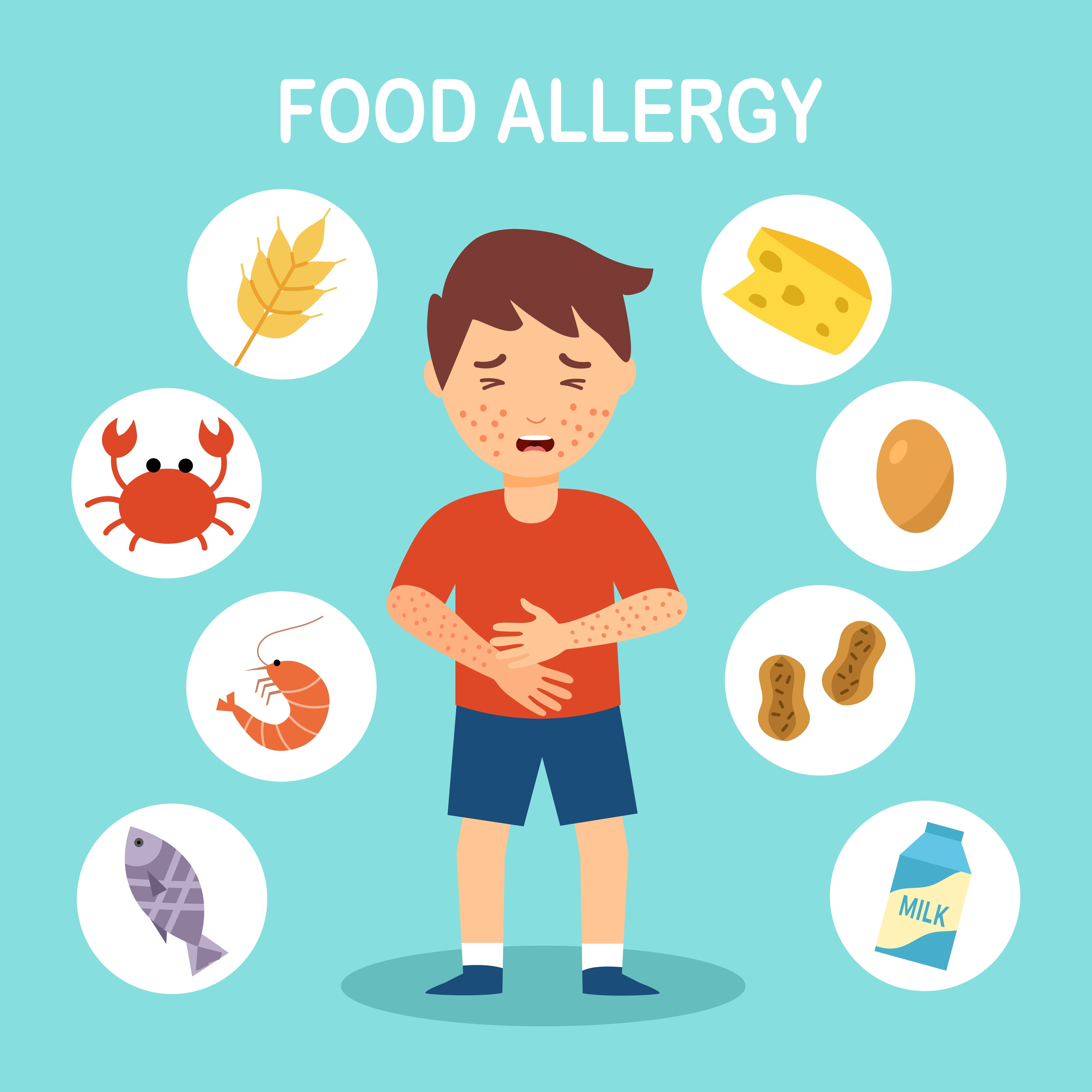
Signs of a food allergy in babies
Allergic reactions usually happen quickly after eating a food, often within minutes.
Possible signs include:
-
A rash, hives, or redness around the mouth
-
Swelling of the lips, face, or eyes
-
Vomiting shortly after eating
-
Coughing, wheezing, or breathing difficulty
-
Sudden tiredness or floppy behaviour
Severe allergic reactions (called anaphylaxis) are rare but require urgent medical help.
Signs of a food intolerance
Food intolerances usually affect the digestive system and tend to appear more gradually.
Symptoms may include:
-
Tummy pain
-
Bloating
-
Wind
-
Loose stools or diarrhoea
These symptoms can occur hours after eating the food.
What to do if your baby has a reaction
If you think your baby may be reacting to a food, try to stay calm. Most reactions during weaning are mild and settle quickly.
If your baby develops mild symptoms such as a small rash, redness around the mouth, or vomiting shortly after eating:
-
Stop giving the food
-
Wipe your baby's face and hands
-
Monitor your baby closely for any worsening symptoms
-
Speak to your GP or health visitor for advice before offering the food again
Call emergency services (999 in the UK) immediately if your baby shows signs of a severe reaction such as:
-
Difficulty breathing or wheezing
-
Swelling of the tongue or throat
-
Pale, floppy, or unusually sleepy behaviour
-
Persistent coughing or trouble breathing
Top allergens to introduce during weaning
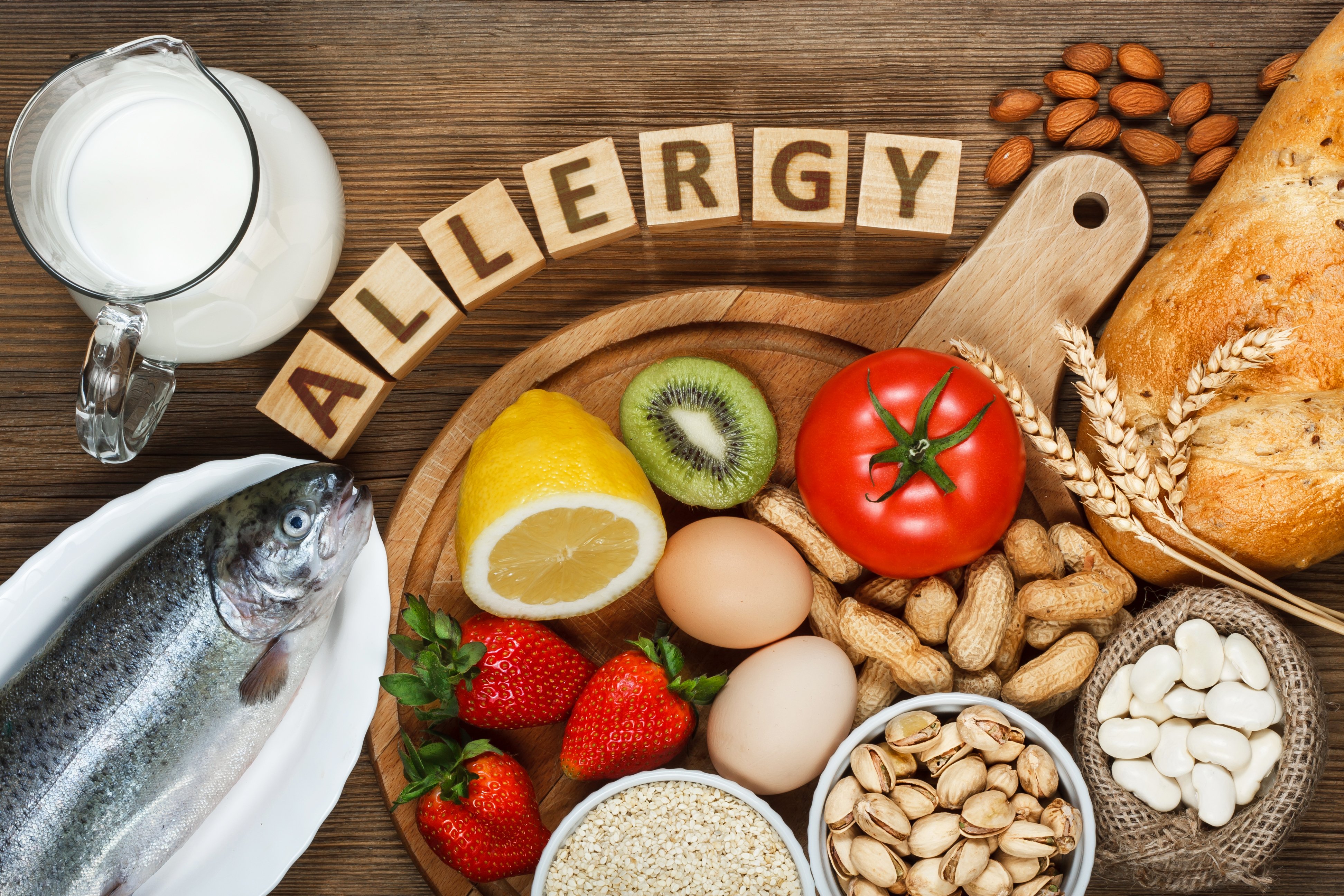
Common allergenic foods introduced during weaning include:
-
Egg
-
Peanut
-
Cow’s milk (in foods such as yoghurt or cheese)
-
Wheat (gluten)
-
Soy
-
Fish
Once these foods are tolerated, they should be offered regularly as part of normal meals.
Conclusion
Introducing solid foods is an important step in your baby’s development, and it is natural for parents to feel concerned about allergies when offering new foods. Understanding the difference between food allergies and food intolerances can help parents recognise symptoms and feel more confident when introducing new foods.
Although food allergies do affect some children, the majority of babies tolerate new foods without any difficulties. Severe reactions such as anaphylaxis are rare, and most reactions that occur during weaning are mild. Research such as the LEAP study has also helped us understand that introducing allergenic foods earlier, rather than delaying them, may actually help reduce the risk of developing certain allergies.
For most babies, introducing a wide variety of foods from around six months of age supports healthy growth, development, and learning to enjoy new tastes and textures. By introducing allergens safely and continuing to include them regularly in meals, parents can help support their child’s long‑term relationship with food.
If you are ever concerned about a reaction to food, it is always best to seek advice from your GP, health visitor, or another qualified health professional.
References
Allergy UK - Allergy facts and statistics
NHS - Food allergies in babies and young children
Turner PJ et al. Trends in anaphylaxis-related hospital admissions in England (BMJ)
BSACI - Food allergy in children
Du Toit G et al. (2015) LEAP Study - Randomized Trial of Peanut Consumption in Infants at Risk for Peanut Allergy.